


Common Mistakes When Writing a Job Application and How to Avoid Them
Writing a job application is not simply about providing personal information and work experience. It is also an opportunity for candidates to demonstrate their qualifications, capabilities, and professionalism to potential employers. However, seemingly minor mistakes, such as poor organization, vague descriptions of work experience, or inaccurate information, can negatively affect an application. Let HR2B explore the most common mistakes candidates make when preparing job applications and how to avoid them to improve their chances of securing the right opportunity.
Quick Summary:
Writing a job application should contain accurate information, a well-organized structure, and clearly demonstrate the candidate’s skills and experience.
Common mistakes such as spelling errors, using the same application for every position, vague career objectives, and a lack of measurable achievements can create a negative impression on employers.
Candidates should tailor their applications to job requirements, highlight measurable achievements, select relevant information, and carefully review all documents before submission.
A strong job application should meet key criteria related to accuracy, relevance, presentation, and the completeness of required documents.
1. Why Is It Important to Avoid Mistakes When Writing a Job Application?
A job application is an important document that gives employers an overview of a candidate’s background, including personal information, professional qualifications, work experience, and skills. It also serves as an initial basis for evaluating whether a candidate meets the requirements of a position and determining their suitability for the next stage of the recruitment process.
However, mistakes such as spelling errors, inaccurate information, poor organization, or vague descriptions of work experience can make it difficult for employers to properly assess a candidate’s capabilities. Even minor errors may undermine the professionalism and credibility of an application.
Therefore, candidates should pay attention to both the content and presentation of their applications, ensuring that all information is clear, accurate, and relevant while highlighting their experience, achievements, and potential contributions to the organization.
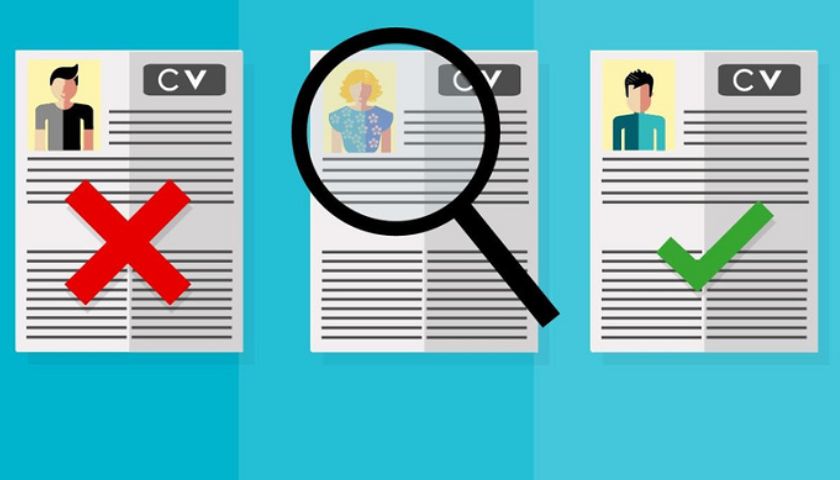
2. 7 Common Job Application Mistakes That Can Cost You an Opportunity
When preparing a job application, candidates need to do more than provide complete information. They must also present it clearly, persuasively, and in a way that aligns with the position they are applying for. Below are seven common mistakes that may negatively affect an employer’s impression, along with practical ways to avoid them.
2.1. Spelling, Grammar, and Formatting Errors
Spelling and grammatical mistakes, as well as inconsistent formatting, are basic errors that can significantly affect an employer’s first impression. An application containing typos, unclear sentences, inconsistent punctuation, or inconsistent capitalization may give the impression that the candidate lacks attention to detail and is not sufficiently serious about the job opportunity.
Beyond the content itself, the overall presentation also matters. Using too many fonts, excessive colors, cluttered layouts, or formatting that becomes distorted when opened on different devices can make an application difficult to read.

How to Avoid This Mistake:
Carefully check spelling, grammar, and punctuation before submitting your application.
Use readable fonts with consistent font sizes and colors.
Organize information logically, prioritizing the most important details.
Save your application as a PDF to preserve its formatting and prevent display issues.
2.2. Using the Same Application for Every Job Position
Each job position has specific requirements regarding professional qualifications, skills, and experience. However, many candidates use the same application for multiple job opportunities without tailoring the content to each role. As a result, their applications may lack focus and fail to highlight the capabilities employers are looking for.
For example, a candidate applying for a Marketing Manager position may focus too heavily on content writing experience while failing to demonstrate their ability to manage a team, develop marketing strategies, and control budgets. Despite having relevant experience, the candidate may miss an opportunity because their application does not effectively communicate their strengths.
How to Avoid This Mistake:
Carefully review the job description (JD) to identify the employer’s requirements and selection criteria.
Tailor your career objectives, skills, and work experience to each position.
Prioritize projects, achievements, and competencies that are directly relevant to the role.
Include appropriate industry-specific keywords while ensuring that all information remains accurate and truthful.
2.3. Writing Vague Career Objectives Without a Clear Direction
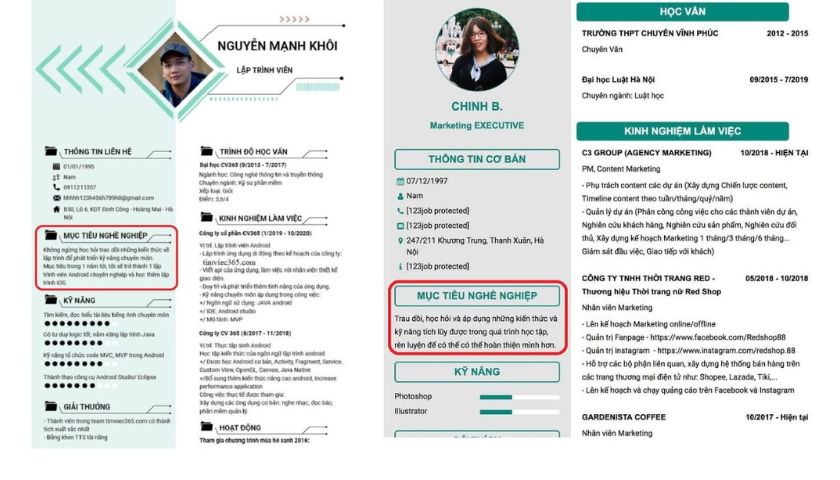
Career objectives help employers understand a candidate’s professional aspirations and development goals. However, many applications rely on generic statements such as “seeking opportunities in a dynamic working environment” or “looking to continuously learn and develop professionally” without providing a clear direction.
Such statements do not explain what the candidate aims to achieve, what strengths they possess, or how they intend to contribute to the organization. For management positions in particular, vague career objectives may make it difficult for employers to assess a candidate’s long-term vision and development potential.
How to Avoid This Mistake:
Define short-term and long-term career goals that align with the position.
Connect your professional aspirations with the company’s requirements and development objectives.
Highlight your key strengths and the value you can bring to the organization.
Keep your objectives concise and specific, avoiding generic or overly familiar expressions.
Example:
Less Effective: Seeking to work in a professional and dynamic environment where I can develop my skills and gain more experience.
Recommended: Looking to leverage my experience in business management and market development to optimize operational performance, expand the customer base, and contribute to the organization’s growth objectives.
2.4. Listing Work Experience Without Highlighting Specific Achievements
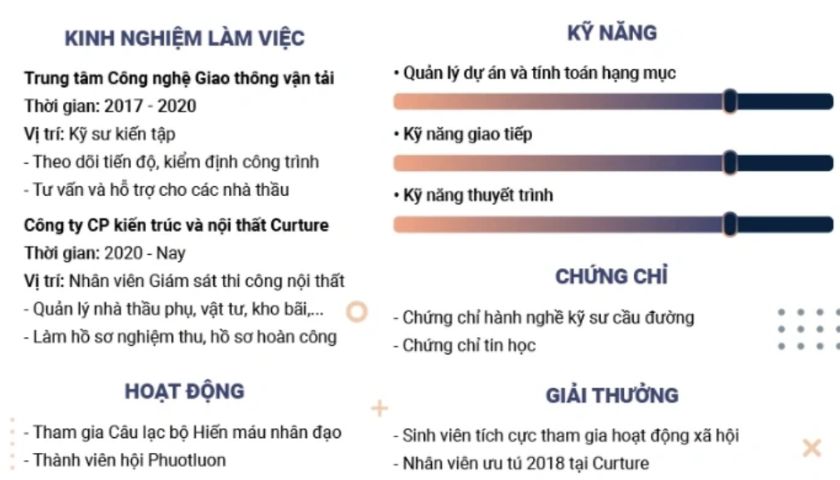
One common mistake in job applications is listing responsibilities without explaining the results achieved. For example, candidates may simply state that they managed employees, handled sales operations, developed marketing plans, or coordinated projects without providing evidence of their contributions.
This approach does not help employers understand the candidate’s actual capabilities, level of responsibility, or work performance. For management and leadership positions, the absence of measurable achievements makes it even more difficult to demonstrate leadership, strategic thinking, and the ability to deliver business results.
How to Avoid This Mistake:
Focus on results rather than simply listing daily responsibilities.
Use measurable figures to demonstrate achievements whenever relevant data is available.
Clearly explain your individual contributions to projects, plans, and team accomplishments.
For senior-level candidates, prioritize achievements related to team management, budget control, revenue growth, operational efficiency, and business strategy.
Example:
Less Effective: Managed the sales team and was responsible for customer development activities.
Recommended: Managed a 15-member sales team, implemented customer development strategies, and contributed to a 20% increase in annual revenue.
Note: Only include actual figures that you can explain or substantiate if requested by the employer.
2.5. Providing Inaccurate Information or Exaggerating Your Qualifications
Honesty is an essential factor employers consider when evaluating candidates. However, some applicants may be tempted to alter employment dates, job titles, professional qualifications, or exaggerate achievements to create a more impressive profile.
In addition, inconsistencies between a CV, personal information forms, and other supporting documents may raise concerns about the candidate’s credibility.
Inaccurate information may be discovered during interviews, background checks, or employment verification. This can affect not only the candidate’s current application but also their professional reputation in the long term.
How to Avoid This Mistake:
Provide accurate personal information, educational qualifications, and employment history.
Never fabricate job titles, employment periods, or professional achievements.
Ensure consistency across all documents included in your application.
Prepare relevant supporting documents or evidence to verify your information when requested.
2.6. Including Too Much Irrelevant Information
An excessively long application containing unnecessary details can make it difficult for employers to identify the most important information. Some candidates tend to list every previous job, personal interest, skill, or training course, regardless of its relevance to the position.
This can dilute valuable information and make it harder for employers to recognize the candidate’s strengths and key competencies. Rather than including as much information as possible, candidates should focus on details that demonstrate their suitability for the role.

How to Avoid This Mistake:
Select work experience and skills that are relevant to the position.
Prioritize achievements and projects that demonstrate your professional capabilities.
Remove personal information, hobbies, or activities that do not add value to your application.
Organize content according to its importance so employers can quickly identify key information.
2.7. Making Mistakes When Submitting Your Job Application
Even when the content has been carefully prepared, mistakes during the submission process can still affect your job application. Common issues include using unprofessional file names, sending the wrong version of a document, omitting required paperwork, or attaching incorrect files.
Additionally, sending an email without a subject line, writing an overly brief message, or entering the wrong recipient’s email address may prevent your application from being properly received. Although these details may seem minor, they reflect the candidate’s attention to detail and professional working habits.
How to Avoid This Mistake:
Use clear and professional file names, such as:
FullName_Position_CV.Double-check the recipient’s email address and subject line before sending.
Ensure that all required documents are attached.
Reopen attached files to verify their content and formatting.
Write a concise and polite application email that clearly states the position you are applying for and includes your contact information.
Note: Before submitting your application, review all documents carefully to ensure there is no inaccurate information, missing content, or inappropriate attachments. A well-prepared application demonstrates professionalism and genuine interest from the very beginning of the recruitment process.
3. How to Write a Professional Job Application That Impresses Employers
After identifying and avoiding common mistakes, candidates should focus on improving the overall quality of their applications to demonstrate their capabilities and suitability for the position.
A professional application does not necessarily require an elaborate design. Instead, it should contain focused information, accurate details, and clearly highlight the candidate’s value. Below are four key principles to help you prepare a more effective job application.
3.1. Research the Position and Recruitment Requirements
Before writing a job application, candidates should carefully review the job description (JD) and the company’s recruitment criteria. This provides a foundation for identifying the professional qualifications, skills, and experience that employers prioritize.
Understanding these requirements helps candidates select relevant information and avoid presenting unnecessary or unrelated details.
To do this effectively, candidates should:
Carefully review the job description, responsibilities, and professional qualification requirements.
Identify the key skills, experience, and competencies the employer is looking for.
Tailor career objectives, work experience, and achievements to each position.
Use relevant industry-specific terminology that aligns with the role and its requirements.

3.2. Prioritize Relevant Experience and Valuable Achievements
Work experience is one of the most important factors employers use to evaluate a candidate’s practical capabilities. Rather than simply listing previous job titles and responsibilities, candidates should clearly describe their roles, responsibilities, and achievements throughout their careers.
Specific accomplishments, particularly those supported by measurable figures, can make an application more persuasive.
Here are some recommendations for presenting work experience and achievements effectively:
Arrange work experience in reverse chronological order, starting with the most recent position.
Briefly describe your job title, responsibilities, and scope of work at each organization.
Use measurable figures to demonstrate results, such as revenue growth, operational efficiency, or the number of projects completed.
For management-level candidates, emphasize leadership achievements, team management, resource allocation, and contributions to business development strategies.
For example, instead of writing “Responsible for managing business operations,” candidates can provide a more specific description:
“Managed a 20-member sales team, implemented market development plans, and contributed to a 15% increase in annual revenue.”
This approach helps employers better understand the candidate’s capabilities and professional achievements.
3.3. Keep Your Application Concise, Well-Structured, and Consistent
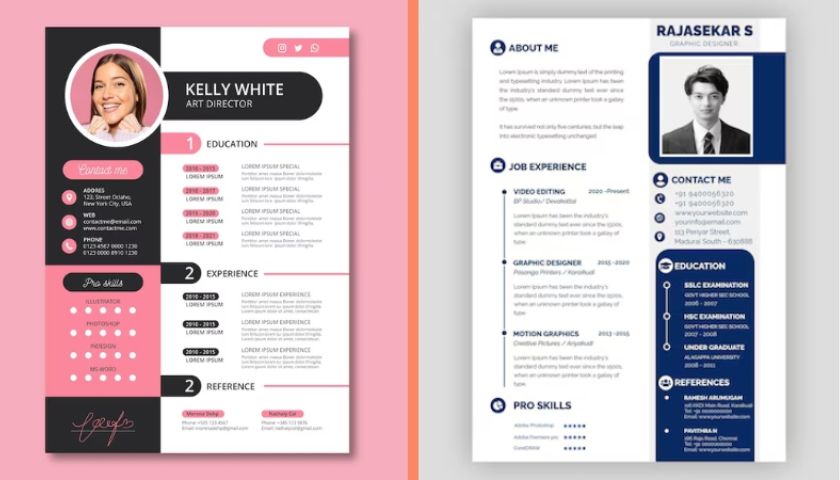
A clearly structured application allows employers to find essential information quickly without spending unnecessary time reviewing the document. Candidates should therefore prioritize a simple, easy-to-follow layout while maintaining consistency across all sections and supporting documents.
To make your application more professional, you should:
Arrange sections logically, including personal information, career objectives, work experience, education, and skills.
Use readable fonts, appropriate font sizes, and consistent formatting.
Keep descriptions concise, use active voice, and avoid repetitive information.
Ensure that job titles, employment dates, educational qualifications, and achievements are consistent across your CV and other supporting documents.
In particular, avoid trying to fit too much information onto a single page. Focus on details that add value to your application and help employers quickly recognize your strengths.
3.4. Review and Update Your Application Before Applying
Job applications should be reviewed and updated regularly to ensure that they accurately reflect a candidate’s current capabilities and professional experience. Before applying for each position, candidates should take the time to review their documents rather than relying on an outdated version. This helps minimize errors and ensures that the application meets the employer’s requirements.
The following details should be reviewed:
Personal Information: Ensure that your full name, phone number, email address, and contact details are accurate.
Work Experience: Update job titles, employment dates, recent projects, and achievements.
Professional Skills: Add relevant skills, certifications, and knowledge that align with the position.
Presentation: Check spelling, grammar, layout, and file formatting.
Job Relevance: Compare your application against the job description to ensure that key competencies are clearly demonstrated.
Carefully reviewing your application before submission not only improves its overall quality but also demonstrates attention to detail and a serious attitude toward the job opportunity.
4. Job Application Checklist Before Submitting to Employers
Before submitting an application, candidates should take time to review all information to avoid unnecessary mistakes. A well-prepared application should be accurate, complete, and relevant to the position.
Below is a 10-point checklist to help you review your job application before sending it to an employer.
| No. | Review Criteria | Completed |
|---|---|---|
| 1 | Personal information, phone number, and email address are accurate. | ☐ |
| 2 | The application content aligns with the requirements of the position. | ☐ |
| 3 | Career objectives are clear and reflect professional development goals. | ☐ |
| 4 | Work experience and achievements are presented clearly and specifically. | ☐ |
| 5 | Job titles, employment dates, and professional qualifications are accurate and consistent. | ☐ |
| 6 | The application contains no spelling, grammatical, or clarity issues. | ☐ |
| 7 | Layout, fonts, colors, and formatting are consistent throughout the document. | ☐ |
| 8 | The application file has a professional name and meets the required format. | ☐ |
| 9 | All required documents and supporting materials are attached. | ☐ |
| 10 | The application email has an appropriate subject line, professional content, and the correct recipient address. | ☐ |
Note: Candidates applying for management or senior leadership positions should also review how their achievements are presented, including leadership responsibilities, team size, business results, and strategic contributions. These details provide employers with important evidence when assessing a candidate’s capabilities and potential value.
Completing this checklist before submission helps minimize errors while demonstrating professionalism and a serious approach to the recruitment process.
5. HR2B – A Professional Human Resources Service Provider
A well-prepared job application helps candidates clearly demonstrate their qualifications, experience, and skills to potential employers. It also provides businesses with an initial basis for evaluating candidates’ capabilities, assessing their suitability for job requirements, and making recruitment decisions.
Through its HR outsourcing services, HR2B supports businesses in sourcing, screening, and connecting with candidates who meet specific professional and experience requirements. With extensive experience in the human resources industry and professional recruitment processes, HR2B helps businesses access suitable talent, meet workforce demands, and build high-quality teams.

If your business is looking for effective recruitment solutions, HR2B is ready to provide consultation and recommend services tailored to your actual workforce needs. Contact HR2B to learn more about Staffing services and comprehensive HR solutions for businesses.
6. Frequently Asked Questions About Writing a Job Application
6.1. What Common Mistakes Should Candidates Avoid When Writing a Job Application?
Common mistakes include providing inaccurate personal information, presenting work experience unclearly, using generic content, listing irrelevant skills, and failing to check spelling and grammar. These shortcomings can make it difficult for employers to assess a candidate’s capabilities and suitability for the position.
6.2. Will Spelling or Grammatical Errors in a Job Application Negatively Affect an Employer’s Impression?
Yes. Spelling and grammatical errors can make an application appear unprofessional and negatively affect an employer’s first impression. Candidates should carefully review the entire document, checking word usage, punctuation, and all personal and professional information before submission.
6.3. Should Candidates Use the Same CV Template When Applying for Multiple Positions?
Candidates should avoid using exactly the same CV for every job application. Instead, they should tailor their career objectives, work experience, and skills to highlight the competencies most relevant to each position. This helps employers better understand the candidate’s value and suitability for the role.
6.4. What Formatting Mistakes Can Make a Job Application Look Unprofessional?
Common formatting mistakes include using too many fonts, inconsistent colors, poorly organized layouts, disorganized information, and inappropriate photographs. To create a more professional application, candidates should prioritize a simple and readable design, clearly organize each section, and maintain consistent formatting throughout the document.
Writing a job application effectively is an important step in demonstrating your capabilities, experience, and professionalism to potential employers. By avoiding common mistakes and presenting information clearly and accurately, candidates can improve their chances of being considered for their desired positions.
As a professional HR service provider, HR2B supports businesses throughout the process of sourcing, selecting, and connecting with suitable talent, helping organizations build teams that meet their workforce needs and support long-term business growth.

On November 12, 2026, HR2B, in collaboration with CEO SUITE, hosted an exclusive and intimate sharing session on the topic...

Payroll information is not just about employees’ income. It also contains important personal data that businesses need to protect. A...

A meaningful work experience is about more than completing daily tasks and achieving professional goals. It is also about learning...
What does a job application include is a question almost everyone encounters when starting a job search or preparing to change...

What is a portfolio? It is a curated collection of a person’s most representative projects and results, helping employers see...


