

Payroll Security: 5 Solutions for Businesses
Payroll information is not just about employees’ income. It also contains important personal data that businesses need to protect. A small mistake in payroll management can lead to data leaks, loss of employee trust, and damage to the company’s reputation. So, how can businesses effectively protect payroll information? Let’s explore the common risks and practical solutions with HR2B.
Quick Summary:
- Payroll information security refers to the measures businesses take to control access to, store, and process employees’ salary data to prevent unauthorized disclosure or use.
- Payroll data leaks can affect employees’ privacy, cause internal conflicts, damage the company’s reputation, and create legal risks.
- Businesses can protect payroll information through five key solutions: access control, data encryption, standardized payroll processes, regular monitoring, and employee training.
- Using Payroll services can help businesses strengthen data controls, standardize processes, and improve the security of payroll management.
1. Why Do Businesses Need to Protect Payroll Information?
Payroll information includes more than just basic salaries. It also covers various types of income and employee benefits, such as allowances, bonuses, deductions, salary payment bank accounts, tax identification numbers, and other information required for salary payments.
During HR management, this data is often collected, stored, and processed by different departments, including HR, Accounting, and direct managers.

Therefore, businesses need to establish clear procedures to control who can access and use this information, preventing unauthorized disclosure or misuse.
- Payroll information contains various types of data that need to be carefully managed and protected.
- Protecting payroll information brings three important benefits to businesses:
- Protecting employees’ privacy and personal information: Salary levels, allowances, bonuses, and deductions reflect each employee’s income and benefits. Controlling access to this information helps prevent unauthorized disclosure or misuse, thereby protecting employees’ privacy.
Maintaining fairness and reducing internal conflicts: Employees may receive different levels of income depending on their positions, capabilities, experience, and work performance. If payroll information is shared without proper control or explanation, these differences may lead to comparisons, misunderstandings, and conflicts among colleagues.
Protecting the company’s reputation and reducing risks: Payroll data breaches can reduce employee trust, damage the company’s image, and disrupt HR management activities. In addition, improper handling of personal data may expose businesses to legal liabilities.
Under Vietnam’s Law on Personal Data Protection No. 91/2025/QH15, which took effect on January 1, 2026, organizations and businesses are required to protect personal data when processing employee information.
Therefore, establishing proper management procedures, access controls, and payroll information security measures not only protects employees’ rights but also helps businesses improve professionalism and ensure compliance in HR management.
2. Common Risks of Payroll Information Leaks
During HR management, payroll information may be exposed due to human errors, weak access controls, or cyberattacks. Some common situations that businesses should be aware of include:
- Payroll data leaks: Excel files containing salary information are sent to the wrong recipients, shared publicly, or stored in unsecured locations.
- Unauthorized access: Employees without proper authorization can still view or download payroll data due to inappropriate system access settings.
- Cyberattacks: Phishing emails, malware, or stolen accounts may allow unauthorized access to payroll information.
- Poor data access management: Businesses fail to remove access rights when employees leave the company or move to another position.
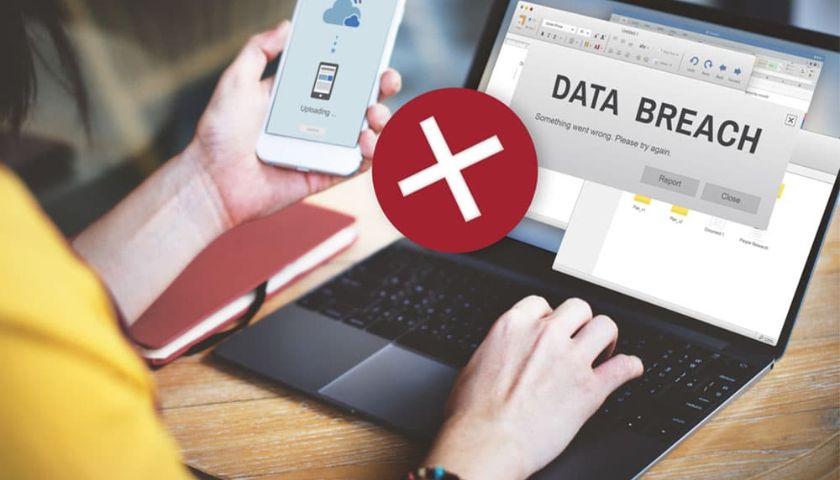
Payroll information leaks can negatively affect internal relationships and the company’s reputation.
Payroll information leaks may cause employees to compare their salaries, leading to misunderstandings and internal conflicts. At the same time, businesses risk losing employee trust, weakening employee engagement, damaging their employer brand, and facing legal responsibilities related to personal data protection.
Therefore, businesses need to establish appropriate procedures for data access, storage, and monitoring. The certification of ISO/IEC 27001:2022 and the regulations under Decree No. 356/2025/ND-CP are important references when developing an information security management system.
3. 5 Effective Solutions to Protect Payroll Information
To protect payroll information, businesses need to build a strong data management system that combines technology, processes, and people.
Below are five key solutions to help HR, IT, and C&B teams reduce the risk of information leaks during payroll operations
3.1. Set Up Role-Based Access Controls
Businesses should assign access rights to payroll data based on each employee’s position and responsibilities.
Only authorized personnel with direct responsibilities, such as HR, C&B, or designated managers, should be allowed to view, edit, or approve salary information.
This approach helps prevent unauthorized access and reduces the risk of internal data leaks
3.2. Encrypt and Protect Payroll Data
Businesses should use data storage systems with encryption capabilities, together with strong passwords and multi-factor authentication (MFA).
In addition, payroll reports and electronic pay slips should be protected with appropriate security measures during storage and transmission.
These solutions help reduce the risk of payroll data being stolen, accessed, or misused without authorization.
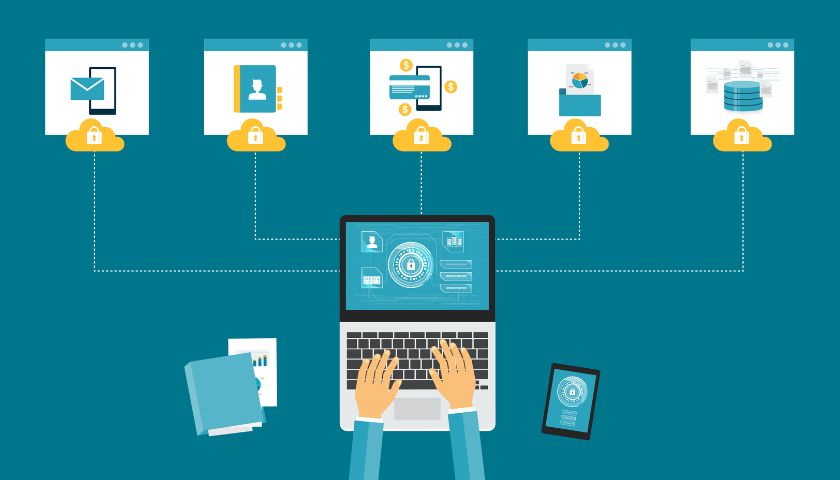
3.3. Standardize Payroll Management Processes
Businesses should establish a consistent process covering every stage, from collecting attendance records and calculating salaries to reviewing, approving, and distributing payslips.
Each step should have a clearly assigned person in charge and appropriate control measures to prevent errors, unauthorized changes, or payroll information being sent to the wrong recipients.
Standardized processes also make it easier for businesses to retrieve and verify payroll data when necessary.
3.4. Conduct Regular Checks and Monitoring
HR and IT teams should work together to review access logs, detect unusual activities, and back up payroll data according to a regular schedule.
When employees transfer to another department or leave the company, businesses should promptly update or revoke their access rights.
Regular monitoring helps identify potential risks early and maintain the security of the payroll management system.

3.5. Train Employees on Information Security
In addition to technological solutions, businesses should regularly train employees on their responsibilities in protecting payroll information.
Training should focus on key practices, such as:
- Not sharing payroll files without authorization.
- Identifying phishing emails and suspicious messages.
- Protecting personal accounts and login credentials.
- Handling sensitive information in accordance with company policies.
When employees understand and follow information security practices, the risk of data leaks caused by human errors can be significantly reduced.
Payroll Information Security Checklist: Roles and Responsibilities
Solutions | HR/C&B | IT |
Set up access controls | Identify employees authorized to view payroll data | Set up and manage access permissions |
Encrypt and protect data | Ensure compliance with data usage policies | Implement security systems |
Standardize payroll processes | Review, verify, and approve payroll information | Ensure the system operates securely |
Conduct regular checks and monitoring | Review employees’ access rights | Monitor system access and back up data |
Provide security training | Communicate internal policies and guidelines | Provide training on account and system security |
Clearly defining the responsibilities of HR/C&B and IT helps businesses better control the entire payroll data lifecycle, from collection and storage to processing and use.
This also provides a foundation for building a secure, transparent, and professional payroll management system.
4. HR2B: Your Payroll Partner for Better Payroll Information Security
With more than 20 years of experience in the HR industry, HR2B provides professional HR management solutions, including Payroll services for businesses.
In particular, HR2B is certified with ISO 27001:2022 for its Information Security Management System (ISMS), demonstrating its commitment to establishing proper control processes and protecting data throughout service delivery.
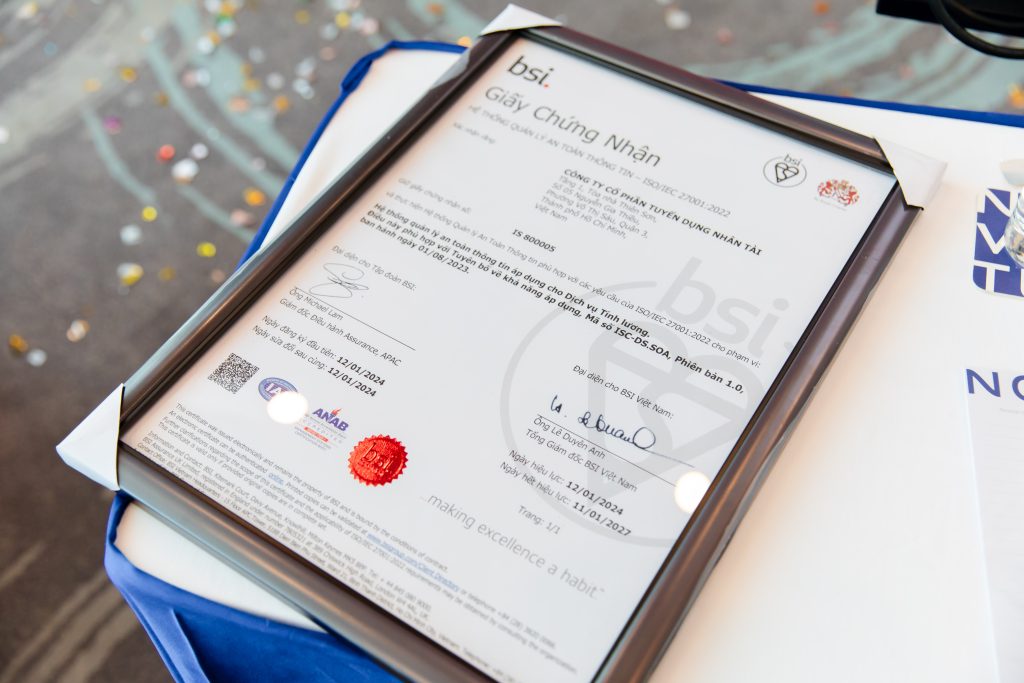
By using HR2B’s Payroll services, businesses can optimize payroll management through professional processing procedures, information control measures, and a team of experienced specialists.
This solution offers several practical benefits:
Enhanced data security: Payroll information is controlled throughout the collection, processing, and storage stages, reducing the risk of unauthorized access or disclosure.
Standardized payroll processes: Ensures that every step, from data collection and salary calculations to reviewing and finalizing payroll reports, is carried out consistently.
Reduced workload for HR and C&B teams: Helps businesses save time and operational resources, allowing their HR teams to focus on more strategic activities.
Accuracy and timely delivery: Aims to ensure accurate payroll calculations, on-time delivery, and support for businesses in meeting their obligations under Vietnamese laws and regulations.
More than just a Payroll service provider, HR2B is a trusted partner supporting businesses in their HR management activities.
With professional expertise and an information security management system based on the ISO 27001:2022 standard, HR2B helps businesses improve Payroll operational efficiency while placing strong emphasis on protecting payroll data, one of the most important types of information in HR management.
To learn more about HR2B’s Payroll services and receive a solution that meets your business’s payroll management and information security needs, please complete the registration form or contact HR2B directly via our hotline at 028 6288 3888.
5. Frequently Asked Questions About Payroll Information Security
5.1. Are Businesses Allowed to Publicly Disclose Employees’ Salary Information?
Salary information linked to a specific individual may be considered personal data. Businesses must have an appropriate legal basis for processing and comply with personal data protection regulations when disclosing or sharing this information.
Therefore, businesses should not disclose an individual employee’s salary without an appropriate legal basis.
5.2. Do Employees Have the Right to Request Protection of Their Payroll Information?
Yes. Employees have the right to have their personal data protected under applicable laws.
Businesses are responsible for processing payroll information for legitimate purposes, within the necessary scope, and applying appropriate security measures.
Employees may also exercise their rights regarding personal data in accordance with current regulations.
5.3. Who Is Responsible When Employees’ Payroll Information Is Leaked?
Responsibility depends on the cause of the incident, the roles involved, and the actions of the relevant parties.
Businesses need to review the responsibilities of the individual who disclosed the data, the department managing the system, or the Payroll service provider (if applicable).
Depending on the circumstances, the responsible organization or individual may face disciplinary action, civil liability, or other legal consequences under applicable regulations.
5.4. How Long Should Businesses Keep Payroll Data?
The retention period depends on the type of records, the purpose of processing, and relevant legal requirements.
For example, accounting documents and records related to payroll must be retained in accordance with accounting regulations. Personal data must also be managed based on legitimate processing purposes and lawful retention periods.
Businesses should not keep personal data indefinitely when there is no longer a valid reason to retain it.
Payroll information security is an important part of an effective HR management strategy. It helps businesses protect personal data, maintain employee trust, and minimize operational risks.
Establishing strict control procedures and choosing a professional Payroll partner can help businesses improve management efficiency and take a more proactive approach to preventing information leaks.
HR2B is proud to be a trusted partner in supporting businesses with their payroll management needs, providing accurate, professional, and secure operational processes.
We are always ready to recommend Payroll solutions that match each business’s size and actual requirements.
Contact HR2B today for a free consultation and a detailed service proposal.
What does a job application include is a question almost everyone encounters when starting a job search or preparing to change...

What is a portfolio? It is a curated collection of a person’s most representative projects and results, helping employers see...
Many people ask what a hybrid job is as this working arrangement becomes increasingly popular. This is a flexible form of...
Payroll sheet service helps businesses outsource the entire process of salary calculation, insurance declarations, and personal income tax to a specialized...

HR2B is pleased to look back on the memorable moments from the HR Sharing session “Staffing Outsourcing: Driving Business Flexibility,”...

