

Managing a Multigenerational Workforce – Turning Challenges into Competitive Advantage
In the context of a rapidly changing workforce, many businesses today operate with four generations working side-by-side: Baby Boomers, Gen X, Millennials, and Gen Z. Each generation brings different values, priorities, and working styles. This diversity creates a richness in thinking and capability but also accompanies various conflicts and governance challenges. Multi-generational management has thus become a critical strategy, helping businesses maintain harmony in work culture while leveraging collective strength to create a sustainable competitive advantage.
1. Why is Multi-Generational Management an Urgent Requirement?
Amidst a fast-changing and increasingly age-diverse workforce, multi-generational management is no longer a choice but a mandatory requirement. If businesses do not soon build an appropriate strategy, conflicts in values and expectations between generations will directly affect culture, performance, and market competitiveness.
1.1 The Workforce is undergoing a Powerful Restructuring
In many countries, including Vietnam, the labor structure is shifting dramatically as Gen Z and Millennials become the dominant new recruitment force. Concurrently, older generations like Gen X and Baby Boomers continue to stay in the labor market longer due to improved health conditions, financial pressures, and a desire to maintain contributions to organizations. This creates a workplace with a wider age range than ever before.
This age diversity brings a special advantage: the young team is capable of grasping technology quickly, is flexible in working methods, and is bold in experimenting with new things; meanwhile, the senior personnel group possesses extensive experience, crisis handling skills, and deep understanding of operational processes. However, if businesses lack an appropriate management strategy, these very differences in mindset, communication style, and career expectations between generations can easily become causes of internal conflict and reduced overall performance.
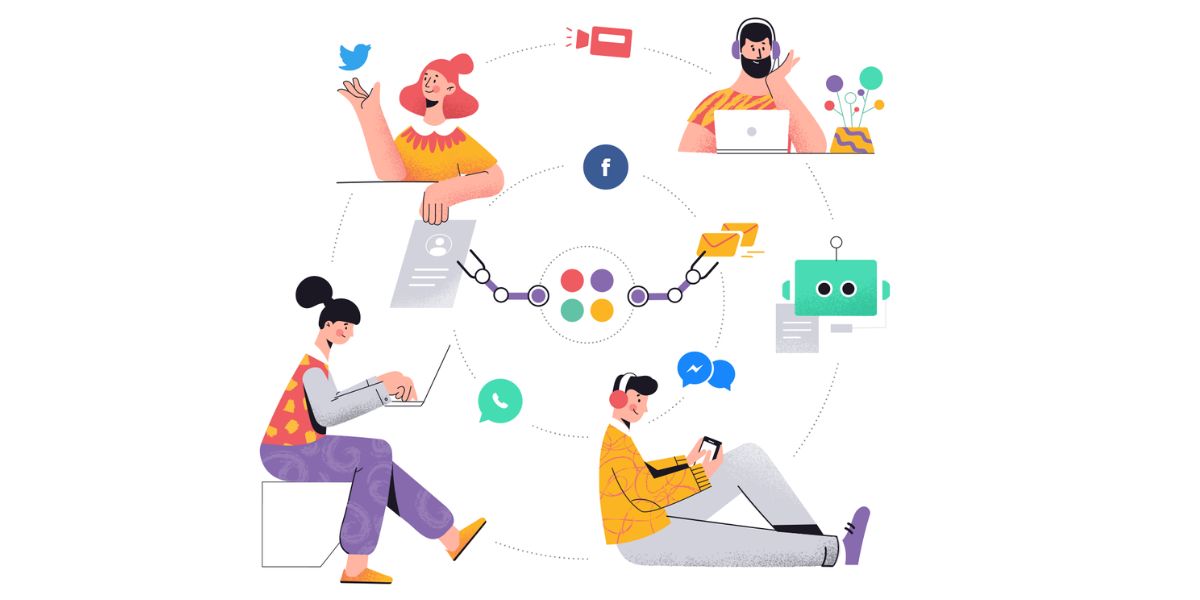
Generational differences, if not managed well, will affect work performance.
1.2 Conflict of Values and Expectations
Generations in the current workforce carry very different values and career expectations, creating distinct differences in how they view work. Gen Z often prioritizes freedom in execution, flexible environments, and continuous support through quick feedback. They want to be heard and expect managers to create space for creativity and experimentation.
Meanwhile, Millennials focus on the speed of career development and commensurate income. They are highly motivated, enjoy challenges, and are always looking for opportunities for promotion. Conversely, Gen X and Baby Boomers value stability, commitment, and system compliance. They often prioritize clear processes, long-term responsibility, and standard communication.
It is this difference that creates a “generation gap” in management, especially in communication, performance evaluation standards, and leadership styles. If businesses do not adjust policies accordingly, these silent conflicts can escalate and directly affect the effectiveness of team collaboration.
2. Common Challenges Businesses Face in Multi-Generational Management
Despite possessing a workforce diverse in experience and thinking, many businesses still struggle when generations work together with very different expectations and styles. Without correctly identifying these core challenges, organizations easily face internal conflict, reduced performance, and a loss of competitive advantage.
2.1 Differences in Communication Styles
One of the most prominent challenges when managing a multi-generational team is the difference in communication styles. Gen Z tends to exchange quickly via messages, internal chat apps, or short video calls because they prioritize speed and instant interaction. In contrast, Boomers and Gen X are accustomed to sending comprehensive emails or organizing face-to-face meetings to ensure everyone has a unified understanding.
When these styles are not coordinated or lack common rules, project teams easily fall into a state of misunderstanding, slow feedback, or missing important information, thereby affecting work efficiency and project progress.
2.2 Disparity in Expectations of Promotion and Roles
The disparity in expectations regarding promotion and roles is also a significant cause of generational conflict. Gen Z often has ambitions for very rapid development, desiring to be given new challenging opportunities, rotate roles continuously, and be recognized immediately upon demonstrating capability. They seek short, clear, and measurable promotion paths.
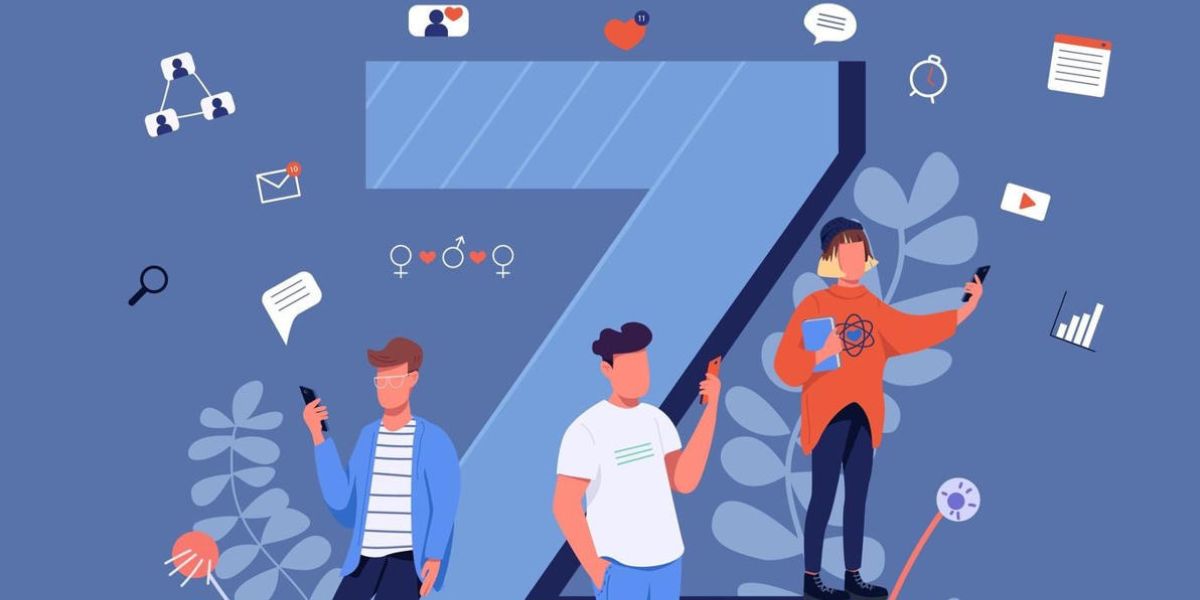
Gen Z wants rapid development and craves new challenges.
Meanwhile, older generations like Gen X and Baby Boomers prioritize career sustainability, prefer long-term attachment to a role, focus on accumulating experience, and accept promotion according to traditional roadmaps.
If a business applies a common promotion model to all personnel without distinguishing the needs and expectations of each group, the organization is prone to demotivating young employees while causing unnecessary pressure on veteran staff. This not only affects individual performance but also reduces overall team engagement.
2.3 Different Views on Work Models
Gen Z and Millennials often prioritize flexible models like hybrid or remote work because they value autonomy, work-life balance, and the ability to work effectively from anywhere. Conversely, Gen X and Boomers value the office environment, where they believe face-to-face presence helps increase engagement, discipline, and team coordination capabilities.
When leadership applies rigid work policies or ones that only suit one generational group, businesses are very likely to lose quality personnel. Young people tend to leave if they feel restricted, while older staff may find it hard to adapt if changes are too rapid and lack support. A flexible strategy, personalized by personnel group, is the deciding factor in retaining and optimizing team performance.
2.4 Stereotypes and Age Bias
Generational prejudices—such as viewing Gen Z as impatient and job-hoppers or assuming Boomers are slow to adapt to technology—can inadvertently create barriers to communication and collaboration. When these “labels” are repeated in the workplace, they make employees feel disrespected, leading to reduced motivation, lack of mutual trust, and increased internal conflict.
The consequence is a severely impacted corporate culture: generations become hesitant to share, reluctant to contribute initiatives, and easily form “cliques.” If leadership does not proactively eliminate age bias and promote understanding, it is difficult for businesses to build a harmonious and effective multi-generational environment.
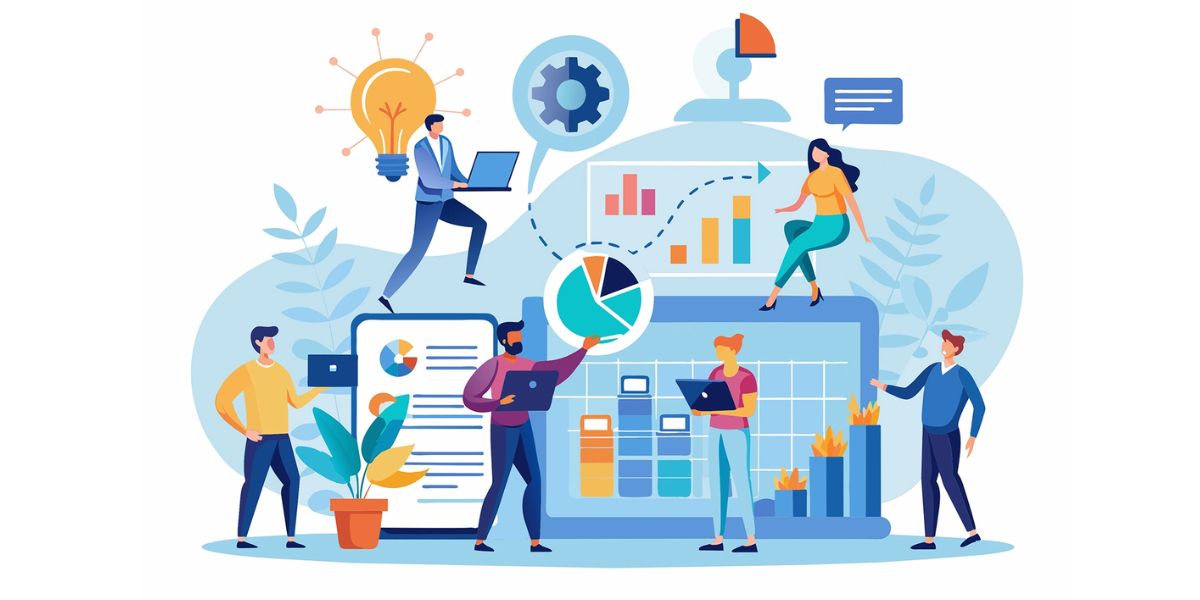
Intergenerational cooperation helps increase creativity and project efficiency.
3. Multi-Generational Management Strategies to Turn Challenges into Advantages
Multi-generational management is not just about resolving differences, but leveraging the unique strengths of each age group to optimize performance. With the right strategy, businesses can turn potential conflicts into sustainable competitive advantages.
3.1 Start by Measuring – Don’t Guess
Before building any policy, businesses need to assess the current situation based on data rather than intuition. Survey employees by age group, analyze needs, engagement levels, and work priorities, while clearly identifying “friction points” between generations. This approach helps businesses provide accurate, appropriate solutions and minimize the risk of internal conflict.
3.2 Build Segment-based Employee Experience (EX)
Instead of differentiating by age, group by career journey:
- Early career (0–3 years): Needs mentors, rapid development paths.
- Mid-career (3–10 years): Needs promotion opportunities, management training.
- Senior career: Needs recognition, advisory roles, long-term benefits.
3.3 Implement “Reverse Mentoring”
Reverse mentoring is a two-way exchange model where young employees share knowledge about technology, digital thinking, and new trends, while older employees pass on experience in crisis handling and deep operational understanding. This approach not only erases generational prejudices but also increases internal bonding and enhances capabilities for both sides naturally and sustainably.
3.4 Multi-Generational Leadership Training
Managers are directly impacted by generational conflict. They need to be trained to:
- Practice flexible communication skills.
- Learn how to give feedback appropriate for each generation.
- Manage performance based on results rather than hours worked.
3.5 Establish Flexible but Transparent Work Policies
Businesses can apply a hybrid model by function, accompanied by clear regulations on office days and evaluation criteria based on KPIs instead of working hours. When principles are transparent, employees of all generations feel treated fairly and are reassured about management methods.
3.6 Build Benefits for the Entire Lifecycle
Lifecycle benefits create a sense of respect and loyalty. Benefits should include:
- Healthcare – for both young staff and older employees.
- Childcare support.
- Elderly parent care support.
- Flexible retirement roadmap.
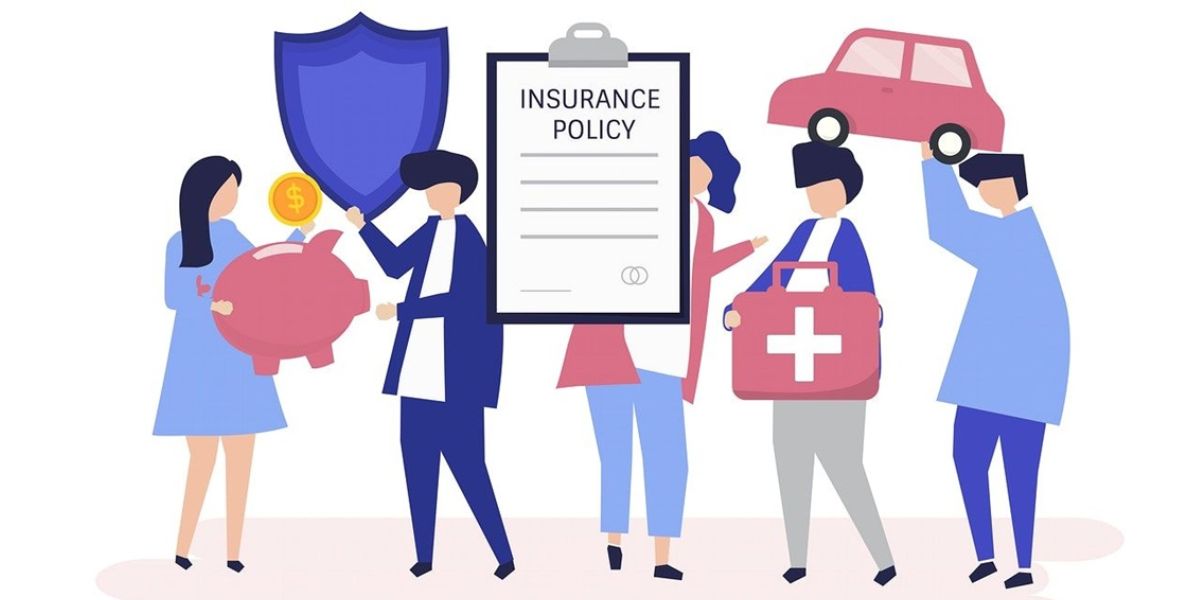
Lifecycle benefits help increase satisfaction across the entire workforce.
4. 90-Day Implementation Model for HR
To manage multiple generations effectively, businesses need not only a strategy but also a clear implementation roadmap. The 90-day model helps HR departments assess, test, and optimize solutions systematically, avoiding conflict and creating value quickly.
Phase 1: Data Collection (Weeks 1–2)
- Survey needs by generation.
- Identify priority issues.
- Analyze engagement data.
Phase 2: Program Design (Weeks 3–6)
- Select 2 pilot programs:
- Reverse mentoring.
- Department-specific hybrid work.
- Build internal communication rules.
- Design group-based benefits.
Phase 3: Testing & Measurement (Weeks 7–12)
- Apply to 1–2 departments.
- Measure KPIs: productivity – engagement – turnover.
- Adjust and scale up.
5. Benefits Businesses Receive When Managing Multi-Generations Well
When businesses manage a multi-generational workforce well, the positive impact is clearly visible in performance, culture, and competitiveness. This is not just an HR problem but a strategic lever to help businesses develop sustainably in a volatile market.
5.1 Increase Creativity and Decision-Making Quality
When the experience of the older generation is combined with the innovative thinking of young personnel, businesses easily create multi-dimensional perspectives and more breakthrough solutions. This diversity improves decision quality, limits risk, and promotes innovation throughout the organization.
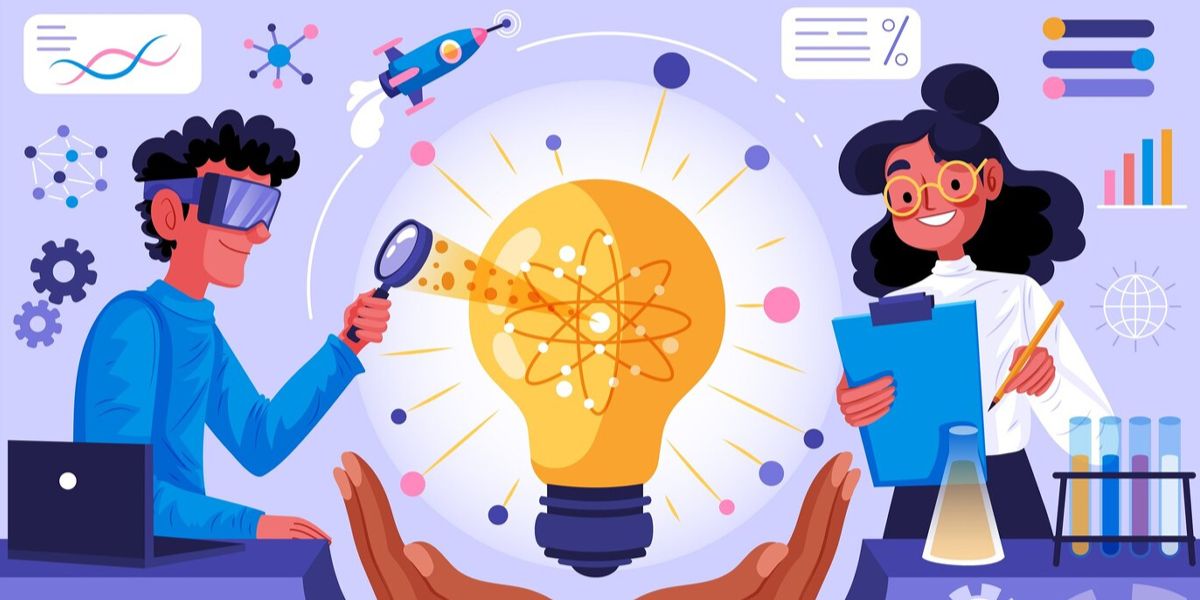
The combination of experience and innovative thinking creates conditions for creative solutions to emerge continuously.
5.2 Enhance Engagement and Reduce Personnel Risk
When businesses correctly understand the needs of each age group and have appropriate policies, employees feel respected and recognized. This satisfaction directly reduces turnover rates while improving internal engagement levels. As a result, the organization maintains a stable team and improves long-term performance.
5.3 Build a Competitive Employer Brand
When businesses demonstrate the ability to manage multiple generations methodically, candidates perceive this as an environment that respects differences and creates fair development opportunities. This helps attract both enthusiastic young personnel and experienced candidates looking for a stable and professional workplace. In the long run, the business forms a distinct competitive advantage in the increasingly fierce recruitment market.
Multiple generations in an organization are not a barrier, but an advantage if managed correctly. When businesses proactively research needs, build group-based employee experiences, train flexible leadership, and optimize lifecycle benefits, every generation has room to thrive.
This is the foundation for improving performance, increasing competitiveness, and creating a sustainable corporate culture in the new era.
To effectively implement a multi-generational management strategy, businesses need leaders with modern thinking who understand personnel, technology, and change management. HR2B’s Executive Search Service supports businesses in finding suitable manager-leaders, with an in-depth evaluation process, a quality candidate network, and optimal recruitment time. HR2B is committed to bringing candidates capable of leading organizations in a multi-generational environment and ensuring sustainable development.

![[HR2B Event] Staffing Outsourcing: Driving Business Flexibility](https://www.hr2b.com/wp-content/uploads/2026/09/NGH01392-scaled.jpg "[HR2B Event] Staffing Outsourcing: Driving Business Flexibility")
HR2B is pleased to look back on the memorable moments from the HR Sharing session “Staffing Outsourcing: Driving Business Flexibility,”...
Every business has its own unique way of managing payroll. When standard payroll software or standard services cannot fully meet...
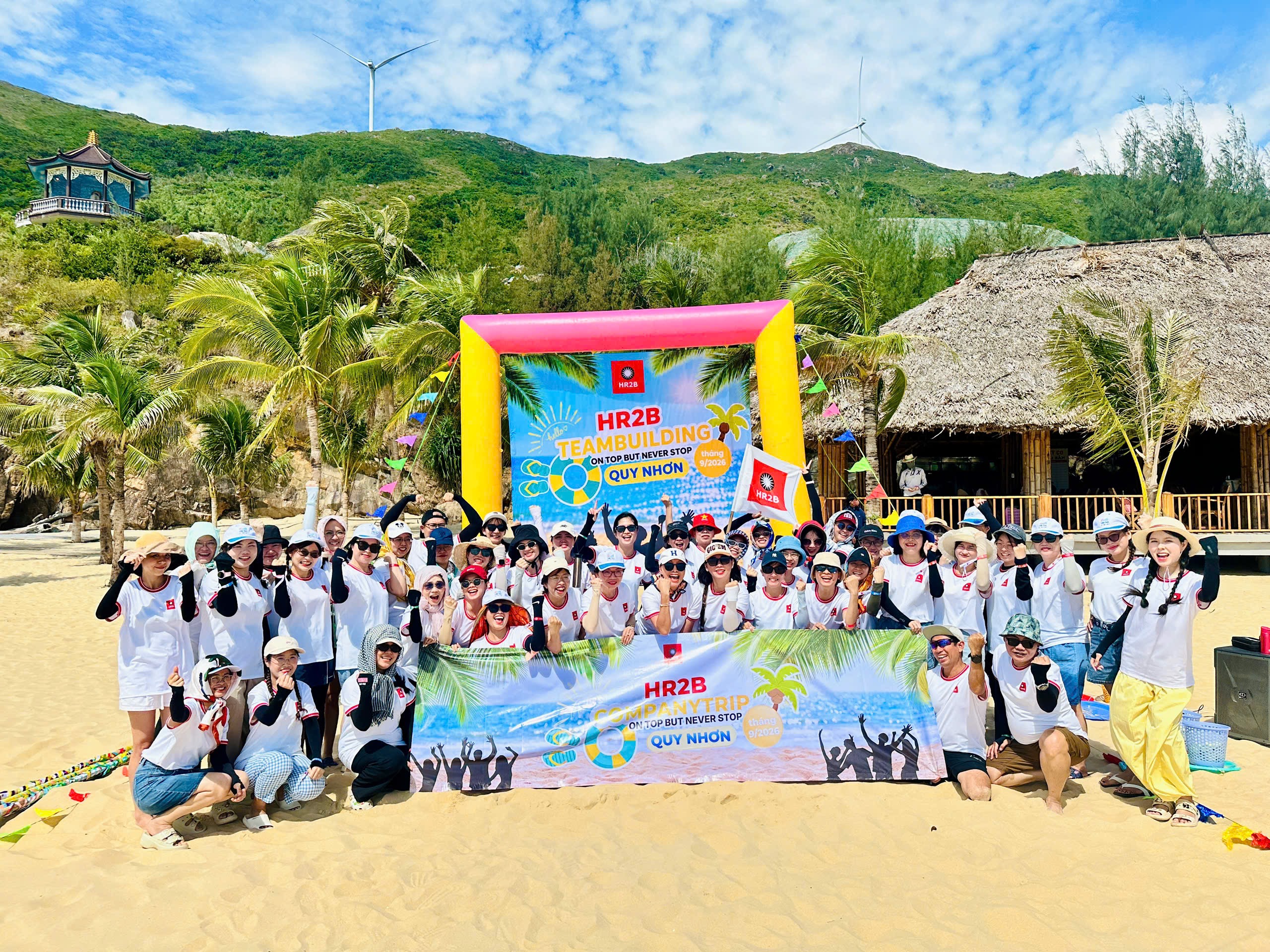
From 4–6 September 2026, the HR2B family came together for a memorable Company Trip in Quy Nhon, enjoying a well-deserved...
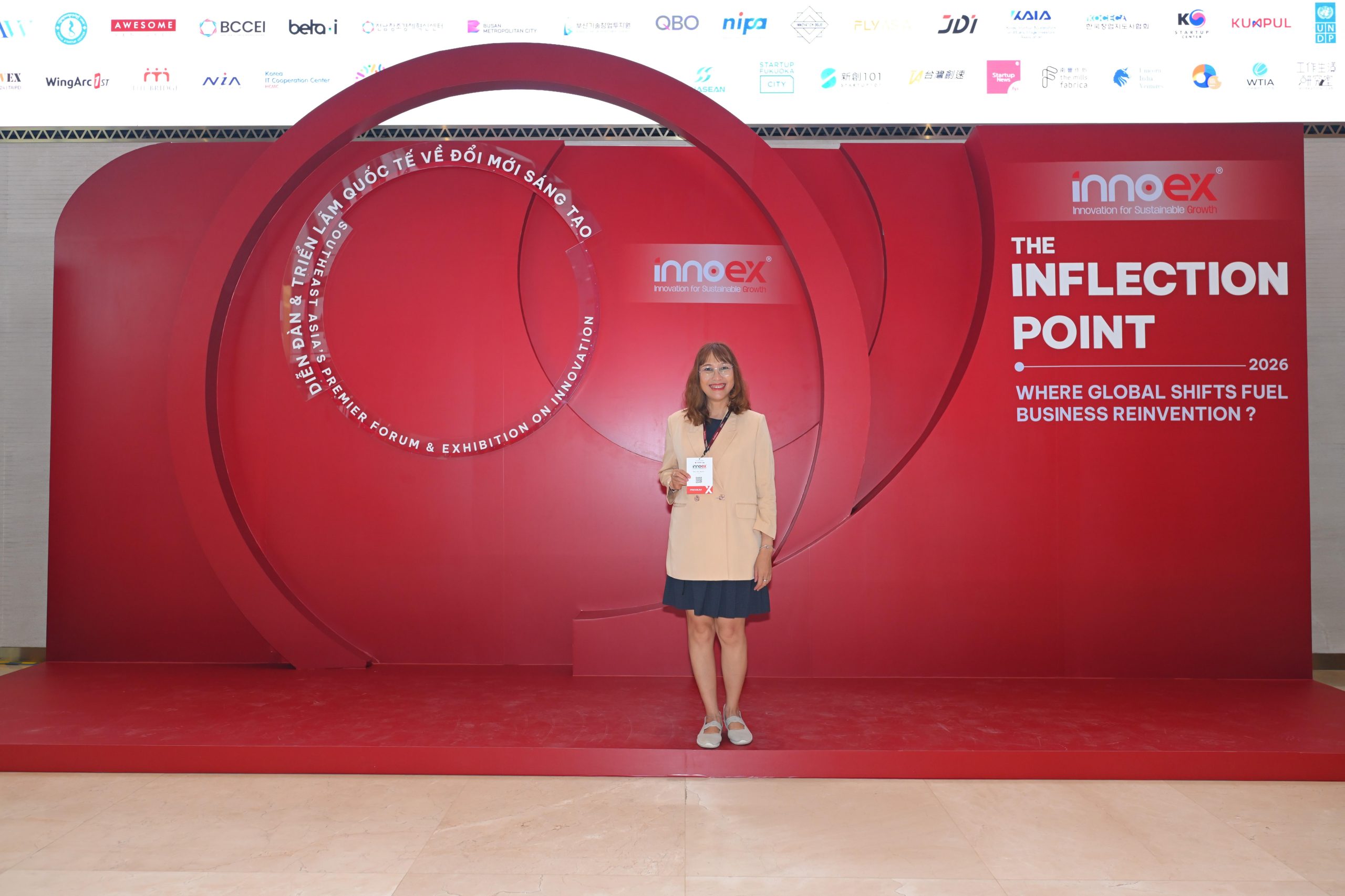
On 19 and 20 August 2026, HR2B was honored to participate in InnoEx 2026 – the International Innovation Forum &...
Not every organization has enough resources and time to handle incredibly complex internal HR and administrative processes on their own....

