


Digital Transformation in Recruitment and Staffing: Can AI Truly Replace Traditional Headhunters?
Digital transformation is driving a profound restructuring in the recruitment and staffing sector, especially as AI becomes increasingly integrated into critical HR processes. Many businesses are questioning whether automated recruitment models are capable of completely replacing traditional headhunters. Amidst the volatile labor market of 2025–2026, this topic has become more urgent than ever. The following article provides an in-depth analysis of AI applications, technological limitations, and the indispensable role of humans in modern recruitment.
1. The Landscape of Digital Transformation in Recruitment 2025–2026
In the past two years, global and Vietnamese recruitment has entered a phase of powerful transformation. Businesses are prioritizing technologies that optimize time, reduce costs, and increase hiring accuracy. The adoption of Artificial Intelligence (AI) and Big Data models not only saves resources but also empowers HR to make faster, more data-driven decisions. Automated recruitment platforms are also maturing, becoming a core component of many corporate HR strategies.

AI is becoming the cornerstone of modern recruitment models.
1.1 AI Integration Throughout the Recruitment Lifecycle
In the new recruitment workflow, AI is deployed from the very first step to the last. Technology can scan CVs, extract skills, and analyze candidate fit in just seconds—a task that would take humans hours. Modern systems can even analyze language, voice, or behavior to predict a candidate’s work style. This is why many businesses view AI as a powerful “HR assistant” in the context of high-quality talent shortages.
1.2 The Rise of Data-Driven Recruitment
Alongside AI, modern recruitment is being led by data. Platforms that analyze industry trends, labor market demand, and career mobility are helping businesses plan their workforce more accurately. This data also assists managers in predicting turnover rates, identifying suitable sourcing channels, or evaluating the quality of the candidate pipeline over time. Consequently, recruitment is no longer a “reactive” activity but has become a “predictive strategy.”

Big Data is becoming a vital foundation for recruitment decisions.
1.3 “HR Automation” as the New Standard
Automation not only reduces manual labor but also ensures consistency and transparency in recruitment. Tools such as ATS (Applicant Tracking Systems), chatbots, and automated competency assessment systems help businesses save 20–40% of recruitment time. Furthermore, reducing process errors enhances the candidate experience—a crucial factor in the war for talent. This explains why many corporations are prioritizing deeper digital transformation heading into 2026.
2. What Benefits Does AI Bring to Recruitment and Staffing?
Below is an in-depth analysis of AI’s impact on modern recruitment. These benefits serve as the foundation for businesses to determine the appropriate level of application, especially when seeking to optimize costs and ensure personnel quality.
2.1 Superior Processing Speed and Screening Capacity
AI can analyze thousands of profiles in a short time, shortening the recruitment cycle by up to 60%. This technology allows HR to focus on high-value steps like interviewing or in-depth evaluation rather than manual paperwork. This speed is particularly beneficial for businesses needing high-volume or urgent hiring. Thus, AI is regarded as the “accelerator” of the entire staffing process.
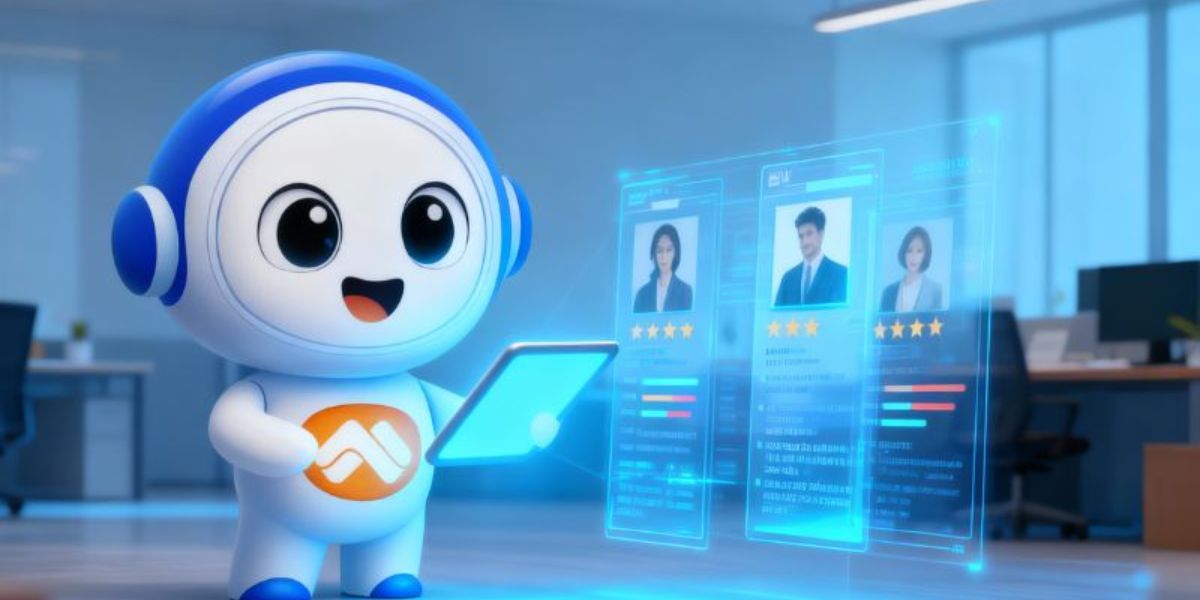
AI reduces recruitment time from weeks to just a few days.
2.2 Reducing Bias and Increasing Transparency
One of the key advantages of AI is the reduction of bias in hiring. Systems score candidates based on skills, experience, and suitability rather than personal intuition. This helps businesses maintain consistent evaluation standards and strengthens a culture of fairness within the organization. However, this is contingent upon the data being clean and the models being strictly monitored.
2.3 Supporting Workforce Forecasting and Strategic Planning
AI does more than just hire—it predicts talent needs based on market data and internal fluctuations. The technology can analyze turnover trends, industry growth rates, or skill shortages to help businesses build long-term plans. This is especially vital in staffing models where businesses require flexible and ready-to-deploy human resources.

AI helps businesses build sustainable human resource strategies.
2.4 Reducing Recruitment Operational Costs
Many studies show that AI can help businesses save 25–35% in recruitment costs. The reason lies in the reduction of operational staff, shorter “time-to-hire,” and a decreased “mis-hire” rate. For businesses with high recruitment volumes, these savings are even more pronounced. This factor is driving many companies toward a “Recruiting Automation” model in 2025–2026.
3. Can AI Replace Traditional Headhunters?
Soft skills such as logical thinking, adaptability, work style, and communication skills are factors that are difficult to quantify. AI can analyze behavior in videos or voices, but it has yet to match human nuance. In many cases, talented candidates are rejected simply because they do not fit the AI interview format. Therefore, the role of emotional assessment and direct human interaction remains paramount.
AI cannot “feel” the work environment, management style, or existing team dynamics. Elements of internal culture can only be analyzed through the lived experience of a recruitment expert. This is precisely why high-level or critical positions always require a headhunter. Culture is where machines cannot yet replace humans.

Cultural fit always requires human evaluation.
Headhunters do more than just provide candidates; they offer strategic talent consulting, organizational structure advice, and salary trend insights. They also understand the psychology, motivation, and personal context of candidates to make appropriate recommendations. This is a value that AI cannot provide or replace. In an increasingly competitive talent landscape, the role of a consultant becomes even more vital.
4. Headhunters & Staffing Agencies in the AI Era: Replacement or Upgrade?
HR professionals are not being replaced—they are evolving into “Version 4.0.” To survive and thrive, they must combine AI with practical experience to provide more comprehensive services.
4.1 Headhunters Are Not Disappearing — They Are Evolving
Modern headhunters leverage AI to accelerate sourcing, profile analysis, and market forecasting. They do not compete with AI; they use it as a “superpower” tool. When Human + AI combine, recruitment efficiency can increase two to three times. This is the model that many large agencies have already adopted.
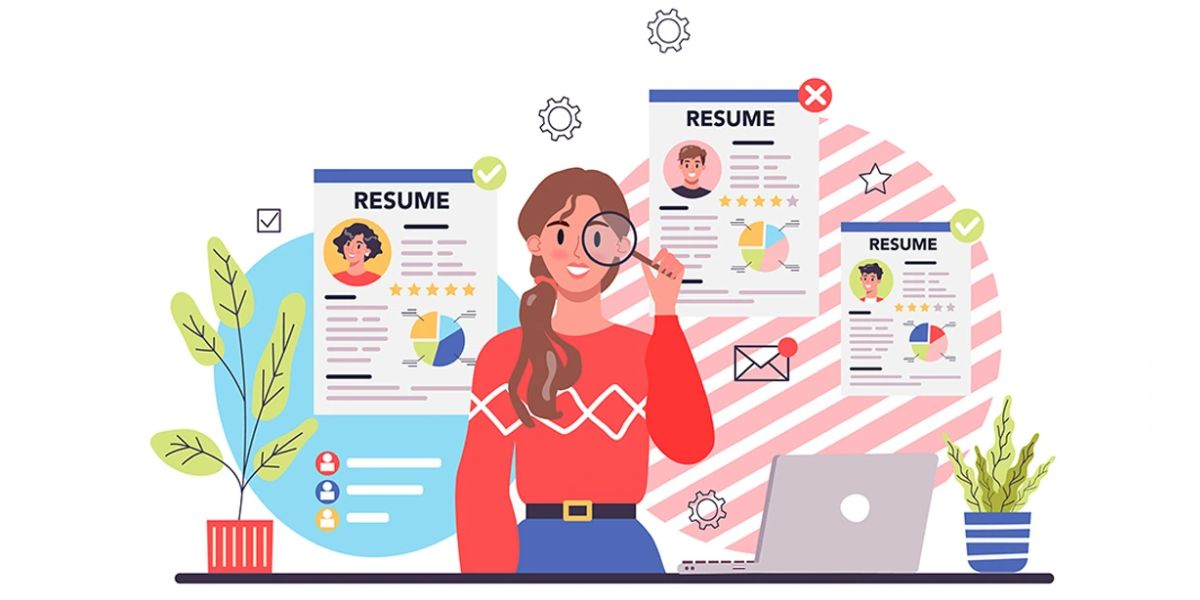
Modern headhunters use AI as a powerful support tool.
4.2 Staffing as the Optimal Choice for Resource-Constrained Businesses
Staffing services that combine technological systems with expert teams help businesses fill positions in record time. Staffing is particularly suited for businesses needing flexible, project-based, or seasonal labor. When AI assists in rapid sourcing and experts handle the “fit” assessment, the probability of choosing the right person increases significantly.
4.3 The Most Effective Model: AI + Human
AI generates productivity, while humans provide depth. When a business uses AI to process high volumes and headhunters to analyze human nuances, the recruitment process becomes truly optimized. This model is predicted to lead the recruitment market in 2026.
AI brings great strides to recruitment but cannot fully replace the emotion, experience, and subtlety of a human being. The most successful businesses in the 2025–2026 period will be those that know how to blend technology with HR expertise. Staffing and headhunters will become the “strategic brain,” while AI serves as the “acceleration engine.”
HR2B is one of Vietnam’s leading HR firms, combining modern recruitment technology with a team of highly experienced experts. With a flexible staffing model, HR2B helps businesses quickly secure the right talent, optimize costs, and ensure personnel quality. This is the ultimate solution in the increasingly fierce competition for talent.

![[HR2B Event] Staffing Outsourcing: Driving Business Flexibility](https://www.hr2b.com/wp-content/uploads/2026/09/NGH01392-scaled.jpg "[HR2B Event] Staffing Outsourcing: Driving Business Flexibility")
HR2B is pleased to look back on the memorable moments from the HR Sharing session “Staffing Outsourcing: Driving Business Flexibility,”...

Every business has its own unique way of managing payroll. When standard payroll software or standard services cannot fully meet...

From 4–6 September 2026, the HR2B family came together for a memorable Company Trip in Quy Nhon, enjoying a well-deserved...
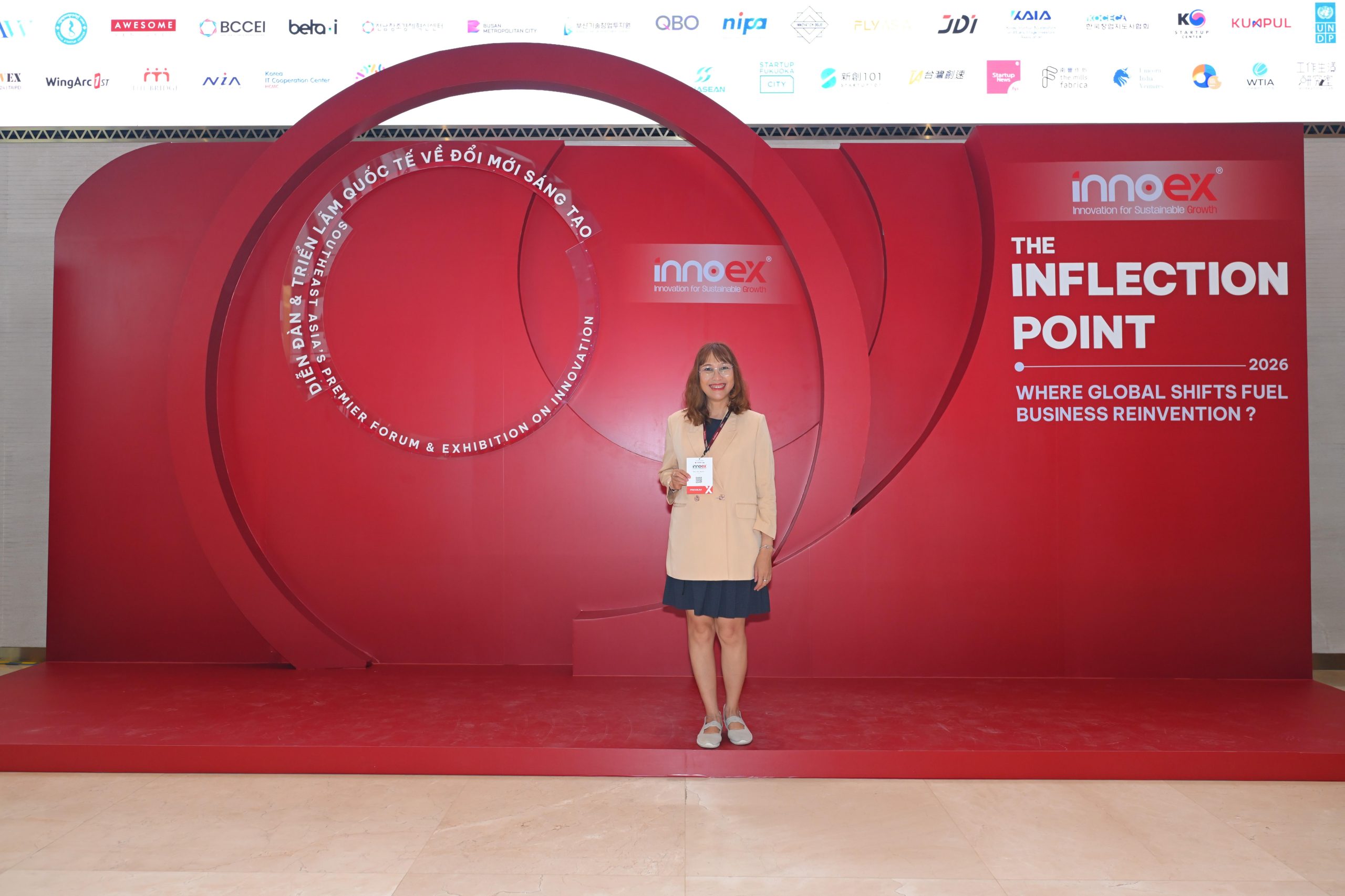
On 19 and 20 August 2026, HR2B was honored to participate in InnoEx 2026 – the International Innovation Forum &...

Not every organization has enough resources and time to handle incredibly complex internal HR and administrative processes on their own....

